October in A.A. History
A Month of Milestones, Growth & Carrying the Message
From a handful of alcoholics in the 1930s to a worldwide Fellowship today, October has been part of the story.
The Story Continues
More than 90 years of experience, strength, and hope
Before there were thousands of meetings, websites, apps, and meeting directories, there were just a few alcoholics trying to help one another stay sober.
Throughout the years, October has marked important moments in the history of Alcoholics Anonymous—from the early development of the Big Book to the growth of A.A.’s worldwide service structure.
Scroll through the timeline and take a journey through A.A. history.
📜 October Through the Years
1937
The Big Book Begins to Take Shape
A.A. was only about two years old when Bill W. and Dr. Bob began seriously considering the idea of putting the A.A. program into a book.
Approximately 40 people were staying sober through the fledgling Fellowship.
In October, the proposal was presented to members in Akron. The idea received enough support to move forward.
A book could carry the message farther than any one person could travel.
1938
Putting Recovery on Paper
Work continued on what would eventually become Alcoholics Anonymous, the Big Book.
Chapters describing recovery, working with others, family life and the experience of alcoholism were being developed.
The Fellowship was still small, but the vision was growing:
A message that could reach someone they might never meet.
1939
The Message Begins to Travel
The Big Book was published in 1939.
That same year, A.A. continued spreading beyond its original centers in Akron and New York.
On October 22, the first public A.A. meeting in New Jersey was held at the South Orange Community Center.
A small Fellowship was beginning to become a movement.
1941
A.A. Spreads Across America
By 1941, A.A. was growing rapidly.
October brought reports of new groups and growing public awareness of the Fellowship.
People who had found sobriety were carrying the message into new communities.
One group became another. One alcoholic reached another.
1943
Remembering Where We Began
On October 10, six of the first nine A.A. members gathered in Toledo, Ohio, to celebrate the anniversary of the Fellowship’s early days.
Only eight years had passed since Bill W. and Dr. Bob’s meeting.
The Fellowship was already looking back at its beginnings—and realizing how far it had come.
1944
A Growing Understanding of Alcoholism
During the 1940s, A.A. was becoming increasingly connected with the broader conversation about alcoholism.
Members were finding new ways to carry the message and help the public better understand alcoholism and recovery.
A.A. was learning that carrying the message could take many forms.
1945
The Grapevine Becomes A.A.’s National Publication
October 3, 1945
The A.A. Grapevine was adopted as the national publication of Alcoholics Anonymous.
What began as a small publication connecting members became something much larger—a meeting in print.
For generations of members, the Grapevine would become another way to share experience, strength and hope.
1954
A.A.’s Service Structure Evolves
The organization previously known as the Alcoholic Foundation became the General Service Board of Alcoholics Anonymous.
As A.A. continued to grow, its service structure evolved to help support the Fellowship and carry its message.
The work of service was becoming an increasingly important part of A.A.’s story.
1957
Alcoholics Anonymous Comes of Age
October 1957 saw the publication of Alcoholics Anonymous Comes of Age.
Written by Bill W., the book documented A.A.’s first 20 years and preserved many stories from the Fellowship’s early history.
It gave future generations an opportunity to look back and see how A.A. developed.
History became something members could hold in their hands.
1969
A.A. Becomes Truly International
October 9–11, 1969
The First World Service Meeting was held in New York.
Delegates from 14 countries participated.
A.A. was no longer simply an American Fellowship spreading around the world. Members from different countries were beginning to share their experience and work together at the international service level.
The message had crossed borders.
1972
“Our Primary Purpose”
October 5–7, 1972
The World Service Meeting met again in New York.
The theme was: Our Primary Purpose
The meeting brought together representatives from around the world to discuss service, literature and the continuing development of A.A.’s worldwide structure.
1988
Saying Goodbye to Lois W.
October 5, 1988
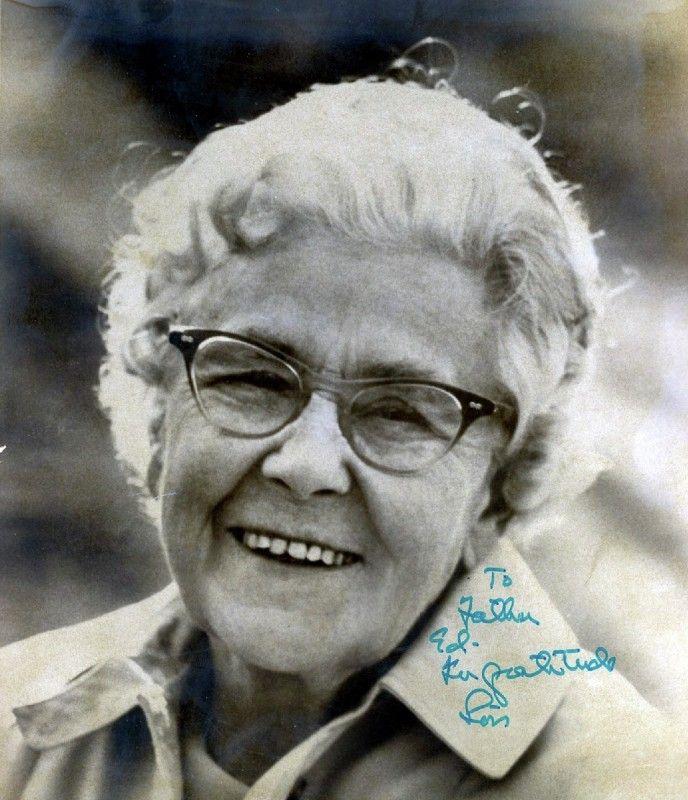
Lois W., wife of A.A. co-founder Bill W., died at the age of 97.
Her passing marked the end of an era.
The people who had been part of A.A.’s earliest history were now gone—but the Fellowship they helped establish continued.
The people changed. The message remained.
2001
A New Edition of the Big Book
October 2001
The Fourth Edition of Alcoholics Anonymous received its first printing.
New personal stories reflected the continuing diversity of people finding recovery in A.A., while the Twelve Steps and core text remained.
The book continued doing what Bill W. and the early members had envisioned more than six decades earlier: carrying the message to people they would never meet.
2021
Sharing More Stories of Recovery
October 1, 2021
A.A. announced the publication of Hispanic Women in A.A., a collection of stories sharing the experience, strength and hope of Hispanic women in the Fellowship.
It represented another example of A.A.’s continuing effort to make the message accessible to people from different communities and backgrounds.
2022
The Message Continues to Reach New Communities
October 2022 brought further attention to the experience of Hispanic members and the availability of Spanish-language A.A. resources.
The Fellowship continued adapting its methods of communication while preserving its fundamental purpose.
🍁 And Then There Is Today
2026
More than 90 years after Bill W. and Dr. Bob first sat down together, the story continues.
The technology is different.
The meeting rooms may look different.
The ways people find meetings have changed.
But the heart of A.A. remains remarkably familiar.
An alcoholic reaches out.
Another alcoholic listens.
Experience is shared.
Hope is offered.
A newcomer discovers that they are not alone.
❤️ You Are Part of the History
A.A. history isn’t only about famous names and important dates.
It is also about the person who:
Answers the phone.
Makes the coffee.
Opens the meeting room.
Greets a newcomer.
Shares their story.
Stays after the meeting.
Carries the message.
Every one of those seemingly ordinary moments becomes part of the continuing history of Alcoholics Anonymous.
The story that began with two alcoholics helping each other in 1935 is still being written.
And you may be writing part of it today.
A Final Thought
“We are not cured of alcoholism. What we really have is a daily reprieve contingent on the maintenance of our spiritual condition.”
Every October milestone is ultimately a reminder of the same thing: A.A. survives because alcoholics keep carrying the message to other alcoholics.
And the next chapter belongs to all of us.