November in A.A. History: Milestones That Shaped Our Fellowship
November offers an opportunity to reflect on the people, experiences, and early decisions that helped shape Alcoholics Anonymous. From the beginnings of Bill W.’s journey toward recovery to the passing of co-founder Dr. Bob, this month reminds us that A.A. grew through one alcoholic sharing experience, strength, and hope with another.
As we look back, we also celebrate the growth of a Fellowship that has carried its message into communities throughout the world.
November Calendar of A.A. History
November 1, 1947 — A.A. Reaches Anchorage, Alaska
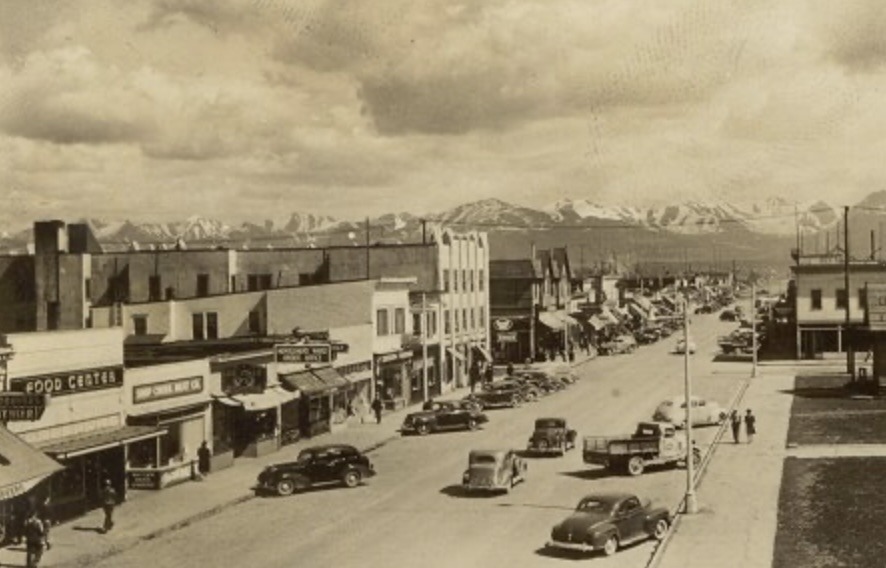
An A.A. group was established in Anchorage, extending the Fellowship’s reach to another part of the United States.
November 10, 1940 — First A.A. Group in Minneapolis
A.A. continued to grow beyond its earliest centers in Akron, Ohio, and New York City. The Minneapolis milestone reflects the spread of the program into new communities.
November 11, 1934 — Bill W.’s Final Drinking Period Begins
After a period without drinking, Bill W. began what became his final drinking episode. His friend Ebby T. brought him a message of hope and a different way of life during this important period. Bill’s last drink came on December 11, 1934.
This is a powerful reminder that recovery can begin even when a person feels hopeless.
November 12, 1940 — First A.A. Meeting in Boston
Boston became another important location in A.A.’s early expansion, as members carried the message to people seeking a way out of alcoholism.
November 14, 1940 — First A.A. Bulletin Published
The Alcoholic Foundation published the first A.A. Bulletin, an early step in communicating information and supporting the growing Fellowship.
November 15, 1949 — A Focus on the Twelve Traditions
Bill W. suggested that A.A. groups devote Thanksgiving week to discussions of the Twelve Traditions. The suggestion emphasized the importance of unity, group responsibility, and the principles that help A.A. function as a Fellowship.
November 16, 1950 — Dr. Bob Dies
Dr. Robert Holbrook Smith, known as Dr. Bob, co-founded Alcoholics Anonymous with Bill W. He died in Akron, Ohio, on November 16, 1950.
Dr. Bob’s work with other alcoholics helped establish the spirit of one alcoholic helping another that remains central to A.A. today.
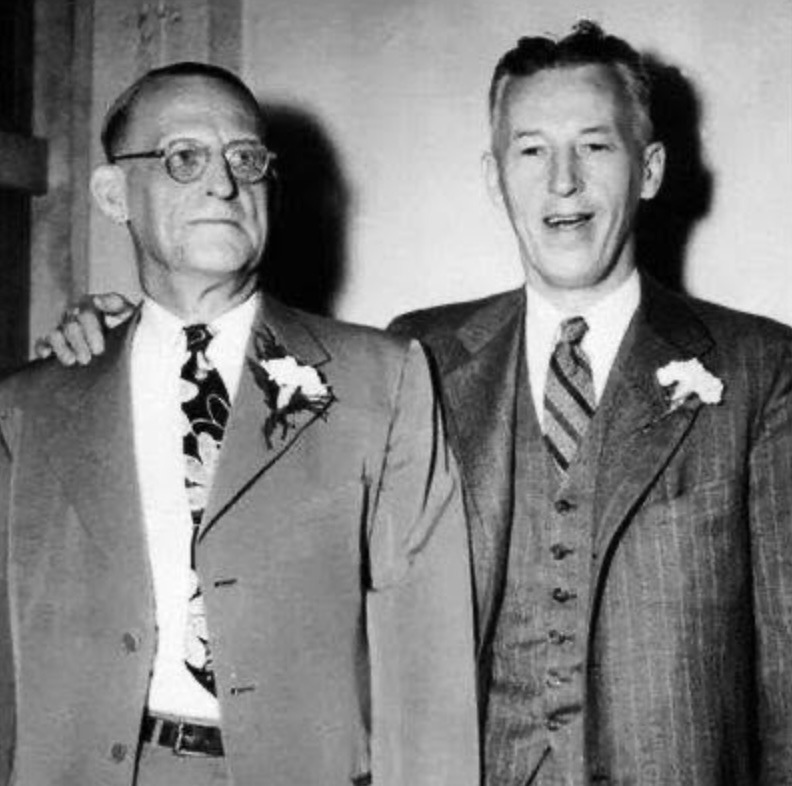
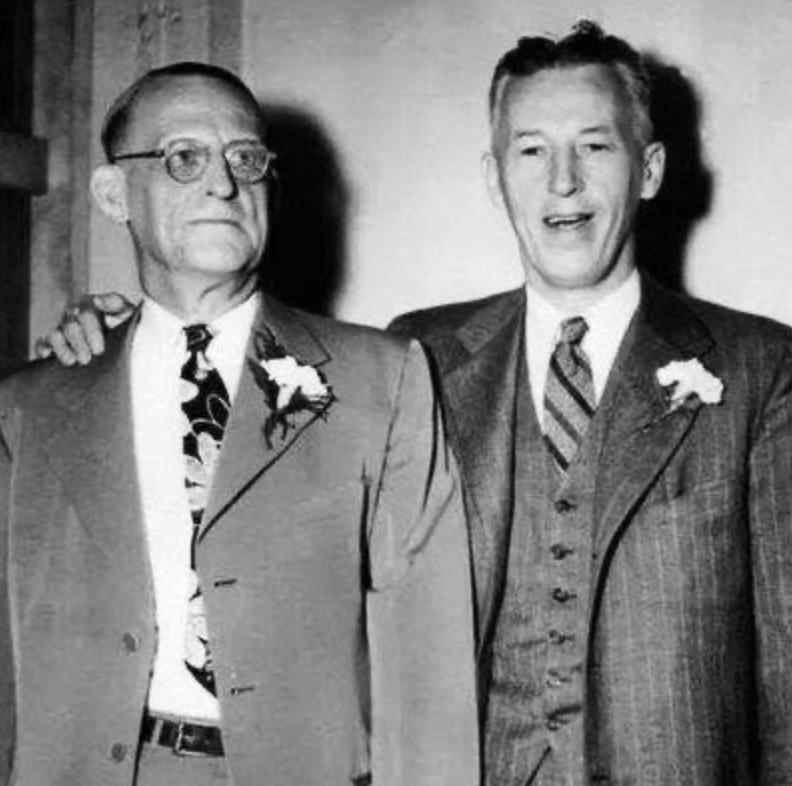
Photograph of Dr. Bob and Bill W.
November 18, 1946 — First A.A. Group in Dublin, Ireland
The first A.A. group meeting in Dublin marked an important step in the Fellowship’s growth beyond North America.
November 21, 1939 — First California A.A. Meeting
A.A. members held what is recorded in historical timelines as the first California A.A. meeting at San Francisco’s Clift Hotel. The event illustrates the rapid spread of the Fellowship across the country.
November 26, 1895 — Birth of Bill W.
William Griffith Wilson, known as Bill W., was born in East Dorset, Vermont.
Bill’s eventual recovery and his meeting with Dr. Bob in 1935 led to the founding of Alcoholics Anonymous. His birthday is an opportunity to reflect on the origins of a Fellowship that has helped countless people find a new way of life.
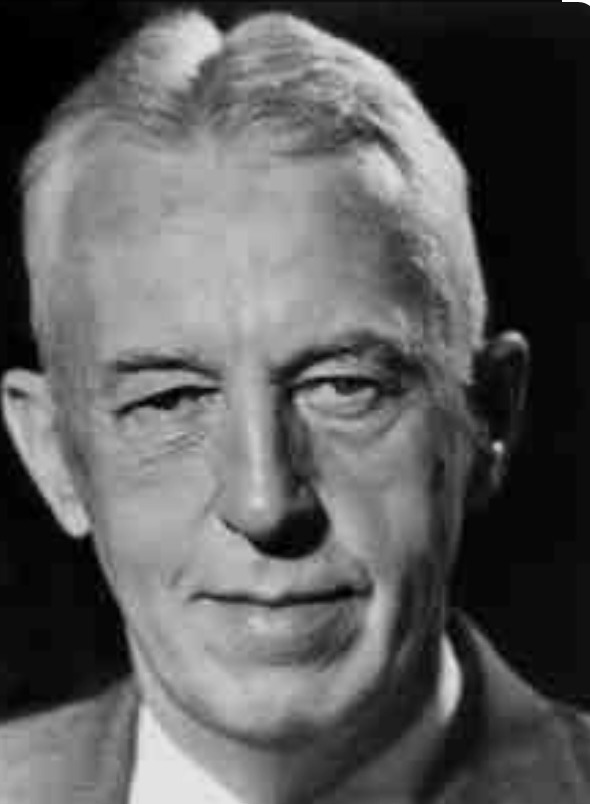
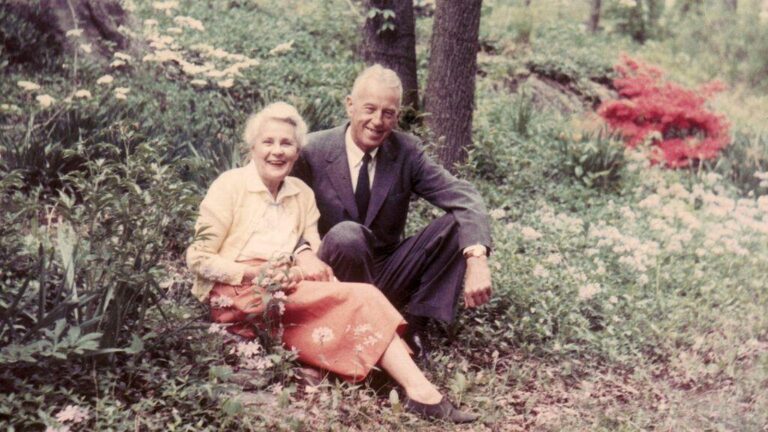
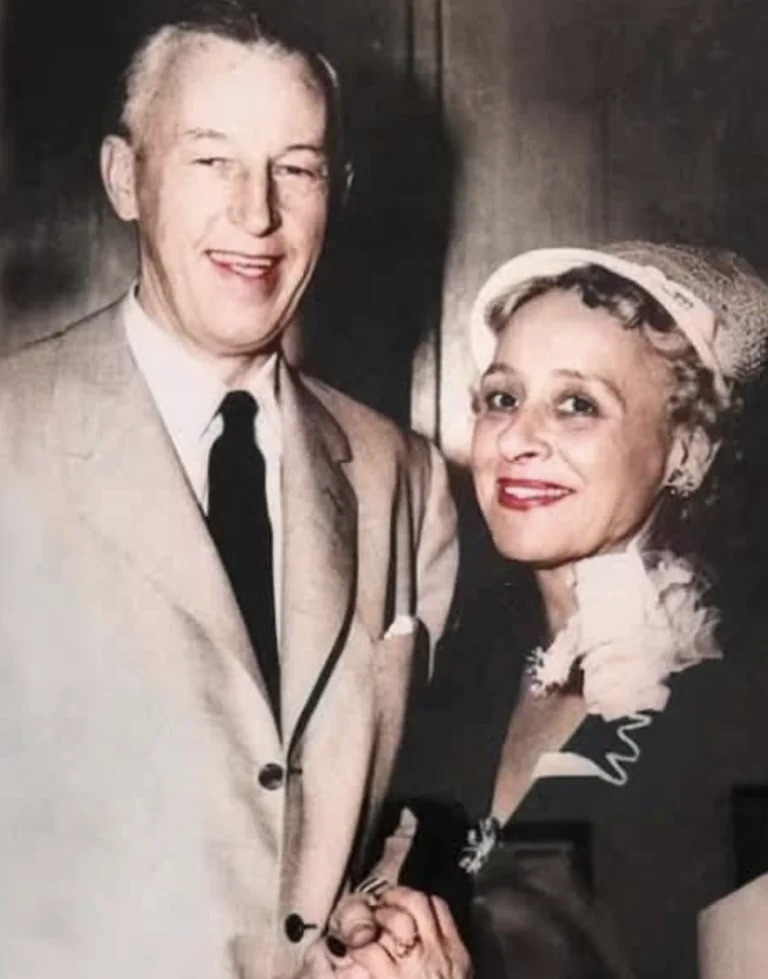
Portrait of Bill W.
November 28, 1939 — Group Autonomy
A historical timeline records that Hank P. wrote to Bill W. advocating autonomy for individual A.A. groups. The idea reflects an important theme in A.A.’s development: groups need the freedom to conduct their affairs while remaining mindful of the unity of the Fellowship.
Other Noteworthy November Events
Some important milestones are recorded as occurring during November without a verified exact day.
November 1934 — Ebby T. Carries a Message of Hope to Bill W.
Ebby T., a friend of Bill’s who had found a path toward recovery, shared his experience with Bill. This encounter helped prepare the way for Bill’s own recovery and the eventual founding of A.A.
November 1937 — Bill W. and Dr. Bob Review A.A.’s Growth
Historical accounts describe Bill and Dr. Bob comparing notes in Akron and discussing ways to help more alcoholics recover. Their conversations included ideas for spreading the message and developing resources for the growing movement.
November–December 1939 — Early A.A. Groups Establish Greater Independence
Historical timelines describe the Akron group’s separation from the Oxford Group around this period. Meetings moved into the homes of Dr. Bob and other members, reflecting A.A.’s developing identity as a distinct Fellowship.
November 1941 — A Large A.A. Gathering in Oklahoma City
One historical timeline records an early mass A.A. meeting in Oklahoma City, attended by eight people. Even small gatherings represented important opportunities to share the message of recovery.
November 1986 — The Big Book Published in Paperback
Historical timelines record the paperback publication of Alcoholics Anonymous, commonly known as the Big Book, in November 1986. The book remains a foundational text for people seeking to understand the A.A. program of recovery.
What November Reminds Us
A.A.’s history is more than a collection of dates. It is a story of people who found hope, shared their experience with others, and helped build a Fellowship that continues to welcome alcoholics seeking recovery.
The experiences of Bill W. and Dr. Bob remind us that the message of recovery is carried forward through personal connection, service, and the willingness to help another alcoholic.
As we remember these milestones, may we continue to practice the principles of A.A. in our own lives and carry the message to those who still suffer.
Want to learn more about A.A. or find a local meeting?
Visit the Heartland Intergroup website to find meetings and information about Alcoholics Anonymous in Polk, Highlands, and Hardee counties.
Historical Sources
- Alcoholics Anonymous, The Start and Growth of A.A.
- Alcoholics Anonymous, A.A. History and Archives
- Oregon Area 58 A.A., A.A. History Timeline
- Friends of Bill W., A.A. Historical Dates
Historical note: Dates and events are drawn from published A.A. timelines. Some early events have differing accounts or approximate dates; entries without a confirmed day are identified accordingly.